A Guide to Traditional and Modern Butchery Practices

Butchery is an age-old craft that has evolved significantly over the years. From the traditional methods passed down through generations to the modern techniques driven by technology and efficiency, butchery practices continue to adapt to meet consumer demands and industry standards. This guide explores the key aspects of both traditional and modern butchery, providing practical insights and examples to help you understand the art and science behind meat preparation.
Understanding Traditional Butchery Practices
Traditional butchery is rooted in manual skills and craftsmanship. It involves the careful selection, cutting, and preparation of meat using hand tools such as knives, cleavers, and saws. Butchers who practice these methods often rely on their experience and knowledge of animal anatomy to maximize the yield and quality of meat.
Some key features of traditional butchery include:
Hand-cutting techniques: Butchers use precise knife skills to separate primal cuts and trim fat or sinew.
Aging and curing: Meat is often aged or cured to enhance flavour and tenderness.
Custom orders: Traditional butchers can tailor cuts to customer preferences.
Sustainability: Many traditional butchers focus on using the whole animal to reduce waste.
For example, a traditional butcher might break down a whole lamb carcass into shoulder, leg, and rack cuts, then further trim and prepare these for sale or cooking. This hands-on approach ensures quality control and allows for artisanal products like sausages or cured meats.

Modern Butchery Practices and Innovations
Modern butchery incorporates technology and streamlined processes to improve efficiency, hygiene, and consistency. While the core skills remain important, many butchers now use machines and digital tools to assist with cutting, weighing, and packaging.
Key aspects of modern butchery include:
Mechanical cutting tools: Bandsaws, grinders, and slicers speed up the breakdown of large carcasses.
Cold chain management: Advanced refrigeration systems maintain meat freshness from slaughter to sale.
Automation: Some facilities use robotics for repetitive tasks like trimming or portioning.
Traceability: Digital tracking systems ensure meat origin and quality compliance.
Food safety standards: Modern butchers adhere to strict hygiene protocols to prevent contamination.
For instance, a modern butcher shop might use a bandsaw to quickly and accurately cut beef into standard retail cuts, then package and label the meat with barcodes linked to its source farm. This approach supports large-scale operations and meets regulatory requirements.
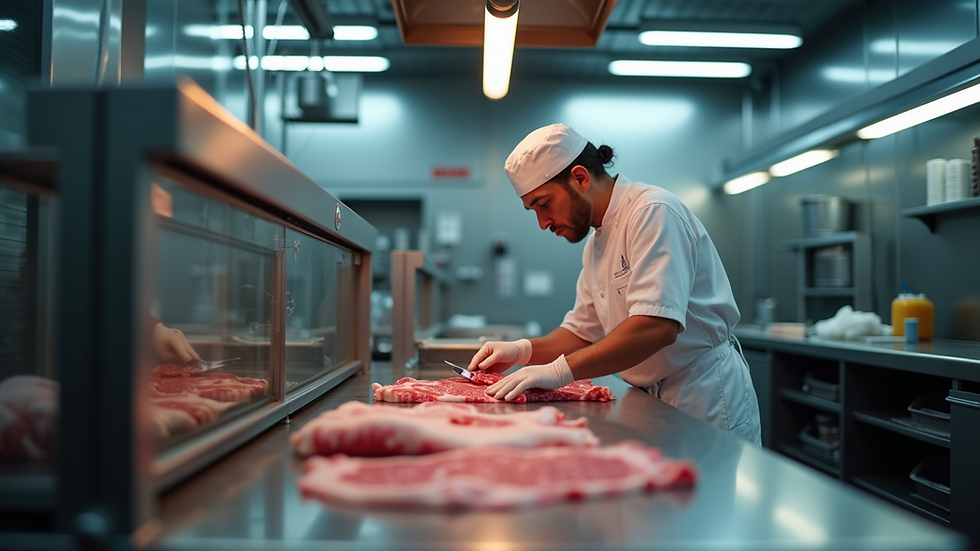
In Australia, many consumers appreciate the balance between traditional craftsmanship and modern efficiency. Visiting a butcher shop australia can offer a glimpse into how these practices coexist to deliver quality meat products.
How much does a butcher get paid in Australia?
Understanding the financial aspect of butchery is important for those considering a career or investment in the industry. In Australia, butcher salaries vary depending on experience, location, and the type of establishment.
Entry-level butchers typically earn between AUD 45,000 and AUD 55,000 per year.
Experienced butchers with specialized skills or supervisory roles can earn upwards of AUD 65,000 annually.
Master butchers or those running their own shops may earn significantly more, depending on business success.
Hourly wages usually range from AUD 20 to AUD 30, with overtime and weekend shifts often attracting higher pay rates. Apprenticeships and formal training can improve earning potential by enhancing skills and qualifications.
This salary range reflects the physical demands and expertise required in butchery, as well as the importance of maintaining high standards in meat preparation and customer service.
Essential Tools and Equipment in Butchery
Whether traditional or modern, butchers rely on a variety of tools to perform their work efficiently and safely. Knowing the right equipment can help improve productivity and product quality.
Traditional Tools
Boning knives: Flexible and sharp for separating meat from bone.
Cleavers: Heavy blades for chopping through bone.
Meat saws: Manual saws for cutting large bones.
Sharpening stones: To maintain blade sharpness.
Cutting boards: Durable surfaces for hygiene and safety.
Modern Equipment
Bandsaws: Electric saws for precise and fast cutting.
Meat grinders: For making sausages and ground meat.
Vacuum sealers: To package meat and extend shelf life.
Refrigerated display cases: For optimal product presentation.
Digital scales: For accurate portioning and pricing.
Investing in quality tools and maintaining them properly is crucial. For example, regularly sharpening knives reduces the risk of accidents and ensures clean cuts, which improves the appearance and cooking quality of meat.

Best Practices for Meat Handling and Safety
Food safety is paramount in butchery to prevent contamination and ensure consumer health. Both traditional and modern butchers must follow strict guidelines.
Personal hygiene: Regular hand washing and use of gloves.
Sanitising equipment: Cleaning knives, boards, and surfaces frequently.
Temperature control: Keeping meat refrigerated at safe temperatures.
Cross-contamination prevention: Using separate tools for different types of meat.
Proper storage: Using vacuum packaging and cold rooms.
Training staff in these practices reduces the risk of foodborne illnesses and maintains customer trust. For example, a butcher shop that implements a rigorous cleaning schedule and monitors fridge temperatures daily will consistently deliver safe, high-quality products.
Embracing Sustainability in Butchery
Sustainability is becoming a key focus in the meat industry. Butchers can contribute by:
Sourcing local and ethically raised animals.
Using the whole animal to minimise waste.
Recycling packaging materials.
Educating customers about responsible meat consumption.
For instance, some butchers offer specialty cuts from less popular parts of the animal, encouraging customers to try new recipes and reduce waste. Others partner with local farms that practice regenerative agriculture, supporting environmental health.
By understanding both traditional and modern butchery practices, you can appreciate the skill and care involved in delivering quality meat products. Whether you prefer the artisanal touch of hand-cut meat or the efficiency of modern technology, the butchery trade continues to evolve while honouring its rich heritage.



Customer service may not be the first consideration in a casino comparison, but it would be an important part of mine. For Q7, I would investigate how users seek clarification about payments, requests for verification or restrictions affecting their accounts. The available contact methods would be only the beginning. I would also want to understand the complaints process and what response expectations are reasonable. Information on q7casino could provide a starting point for reviewing support arrangements and the relevant account policies. Ideally, essential explanations would be accessible before registration, which is something I would check. Readable instructions can prevent an ordinary question from growing into a complex difficulty. A well-presented interface may be attractive initially, yet reliable guidance and transparent…